A Footnote, Eventually
AI Filmmaking Has Arrived, and So Has a Trust Problem
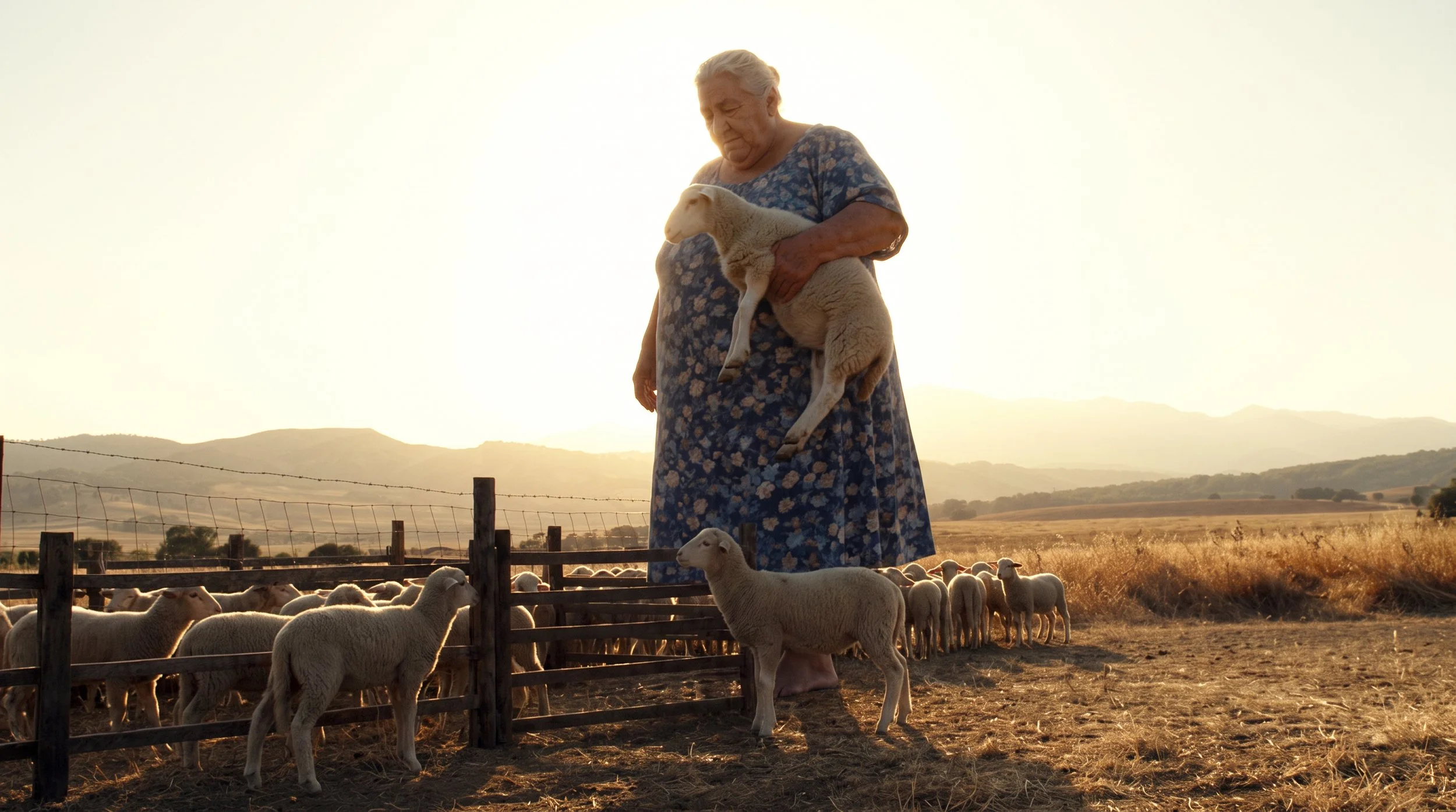
Leo Cannone’s new docustyle micro-short, fictionally set in Sardegna, Italy, follows a young man named Bruno Serra spending his summer making a documentary about his extraordinary grandmother. I knew it was AI before I even saw the label. Despite the stylization being genuinely sophisticated and having no familiarity with the artist, I clocked it immediately. That instinct is almost as interesting as the result itself, and the result is impressive. Like a new instinct for artificiality is developing.
Still, I keep circling the same question: what’s the point of an AI-generated “documentary” like this? Maybe the more honest term is docustyle dramatization.
That’s not a dismissal of the talent involved. There is clearly a tremendous amount of skill sitting underneath something like this, and it’s worth saying plainly: Cannone is a genuinely talented filmmaker who also shoots real, non-AI work, and it looks incredible. I just don’t think the world, or at least the world of actual art, is ready for AI filmmaking yet. Commercials, sure, who cares. YouTube content, not my cup of tea, but to each their own. And there’s obviously real economic opportunity in working the algorithms of social media, whatever the artistic merit.
In the grander scheme, it’s probably going to take one towering artist making an AI film so unbelievably great, so undeniably a work of art (which, of course, still means it was human directed), that it becomes a legitimate cinematic classic. Only then does society even start to get comfortable with AI as a serious artistic tool, let alone a medium in its own right.
Unfortunately, it’s here whether we like it or not, and it’s evolving faster than any of us imagined, including the people who built it and get called its godfathers. The real implications aren’t in art. They’re in news, documentary evidence, surveillance footage. What happens when we can no longer trust anything we see, no matter how important that footage might be? Art is almost collateral damage in the larger technological upheaval, even if, for a lot of us, it’s the kind of collateral damage that cuts straight through the heart.
All that said, I’ve experimented with this myself, using AI to blend my own real photography into new images. It’s been genuinely fun and produced some intriguing results that still carry my artistic DNA. Mixing AI with real-world work is where I think it has the most interesting potential to become artistically relevant.
And even if our generations reject it thoroughly enough that AI “art” stays underground for decades, the generations coming up next will have been acclimated to it from birth. They won’t carry the same hangups or feel any shame about using it. Eventually it becomes barely worth mentioning, a footnote that something was made this way or that way, the same way someone today might casually note what camera a film was shot on: a technical detail that matters mostly to filmmakers and photographers.
That’s assuming we survive everything else the technology brings along with it. And climate change. And fascism. And robots, superbugs, the extinction of species our ecosystems depend on, the accelerating concentration of wealth and political power among billionaires and trillionaires, President Barron Von Trump, and underground lava tubes on Mars.
Just kidding. We won’t make it that far.
